Every HVAC technician has a story about a tired air handler that died young because it spent years choking on its own dust. Mine features a twelve-year-old rooftop unit over a bakery, limping along with dirty coils and ductwork lined with a suede jacket of flour. The fan belts shrieked. The compressor short-cycled. The owner swore the unit was undersized. After a proper commercial duct cleaning and coil restoration, airflow recovered by a third, the compressor stopped tripping on high head pressure, and the unit earned a quieter, less dramatic second act. That bakery didn’t install new equipment. It just stopped sanding its lungs every day.
That story repeats in offices, schools, labs, and big-box retailers. When people think HVAC longevity, they think compressors and refrigerant. The quieter villains are airflow restrictions and contamination borne by ductwork. Keep airways clean, and the whole system can breathe, cool, heat, and dehumidify at design conditions with less strain. That translates into fewer motor replacements, fewer nuisance lockouts, and a life measured in decades rather than apologies.
The physics behind clean ducts and long lives
HVAC equipment does not fail randomly. It fails for reasons you can measure: heat never removed from a compressor, motors over-amping, bearings starved of lubrication, coils blanketed by biofilm and dust that trap heat like a wool sweater in July. Duct contamination sits at the root of many of those symptoms.
Airflow is the first principle. Air that cannot move easily requires more fan energy. As dust builds on duct walls and in turning vanes, as debris piles up downstream of filters, friction rises. You can quantify that as added static pressure. If your design had 1.5 inches of water column total external static pressure and crud adds 0.2 to 0.3 inches, you have effectively shrunk your HVAC system. The fan moves less air at the same speed, yet the motor may draw more current trying to hold programmed airflow. Motor heat rises. Bearings pay the price.
Contamination also migrates. Filters do catch a lot, especially if you use higher MERV ratings that actually fit the application, but filters are not magical. Return leaks upstream of filters, poor filter seals, and maintenance lapses let particulates settle in ductwork and finally on coils. A fouled evaporator coil drops sensible capacity and degrades latent removal. The compressor now runs longer to maintain setpoint, operating with higher head pressure and higher suction superheat. More cycling, more thermal stress, and eventually a grounded compressor that never had a chance.
None of these mechanisms rely on exotic theory. They are the mundane, relentless physics of resistance and heat. Clean the pathways, and you remove hidden load from almost every moving and refrigerant-handling part.
Where the lifespan win shows up first
If you want to trace the path from clean ducts to a longer-lived system, follow the parts most sensitive to resistance and heat.
Supply and return fans. These are the shoulders of your airflow. Build-up inside ducts raises total static pressure. With variable frequency drives, the system often tries to hold a target cubic feet per minute. The drive ramps up to overcome added static, the motor runs hotter, and belt tension creeps upward. Longer run hours at higher torque consume bearing life. Clean ducts lower external static, so the VFD can relax. Amp draw drops, vibration levels settle, and bearing temperature follows.
Evaporator and condenser coils. Dust is an insulator. On evaporator coils, a thin layer of lint and microbial film can add 10 to 20 percent to the coil’s air-side resistance and cut heat transfer significantly. On condensing units, a similar layer forces the compressor to work against higher condensing temperatures. If ducts are dirty, that dirt feeds the coils. Cleaning ducts reduces what lands on the fins tomorrow, and a proper project will pair duct cleaning with coil restoration today. The result is lower head pressure, steadier superheat, and a compressor that isn’t red-lining every afternoon.
Reheat coils, VAV boxes, and terminal units. In variable air volume systems, grime doesn’t just ride along, it binds dampers and drives actuators harder. Sticky duct interiors mean more particulates at terminal units, which means more fouled reheat coils and more nuisance hot or cold complaints. Clean ductwork lightens the mechanical load and the service ticket load.
Controls and sensors. Air quality sensors get lazy when covered in a film of dust. Clogged static pressure ports lie to your BAS. Dirty ducts aerosolize contamination during every start-up, and that haze lands on sensors. Clean ducts protect the accuracy of the very feedback loops that keep your HVAC equipment in safe operating ranges.
The hidden energy-leads-to-lifespan loop
It is easy to sell commercial duct cleaning as an energy play. In many buildings, it is. Lower duct friction means less fan energy. Clean coils reduce compressor and reheat energy. But the dotted line from energy to lifespan is the part many owners miss.
Fans obey affinity laws. If duct cleaning and coil restoration allow your system to deliver design airflow at a lower speed, even a small drop in RPM can yield a large drop in power. Lower power means lower heat in the motor windings. Lower heat extends insulation life. The same cascade happens in compressors. Lower head pressure shaves off amps. Cooler windings and oil stay in spec longer. Lower thermal and mechanical stress becomes longer mean time between failures. So yes, you see the kilowatt-hours on your utility bill. The real dividend grows quietly inside your equipment.
If you want numbers, field studies typically put coil fouling energy penalties between 10 and 30 percent depending on climate and system type. Fan power can rise 15 percent or more when static creeps up a few tenths of an inch. Duct cleaning is not always responsible for eliminating those losses on its own, but when paired with coil and filter best practices, it can claw back a meaningful share. Equipment that runs cooler and closer to design curves will simply last longer.
What a proper commercial duct cleaning actually includes
Here is where the good providers separate themselves from the folks with a shop vac and a dream. Duct cleaning in a commercial setting is more than waving a brush inside a supply trunk and posting a selfie.
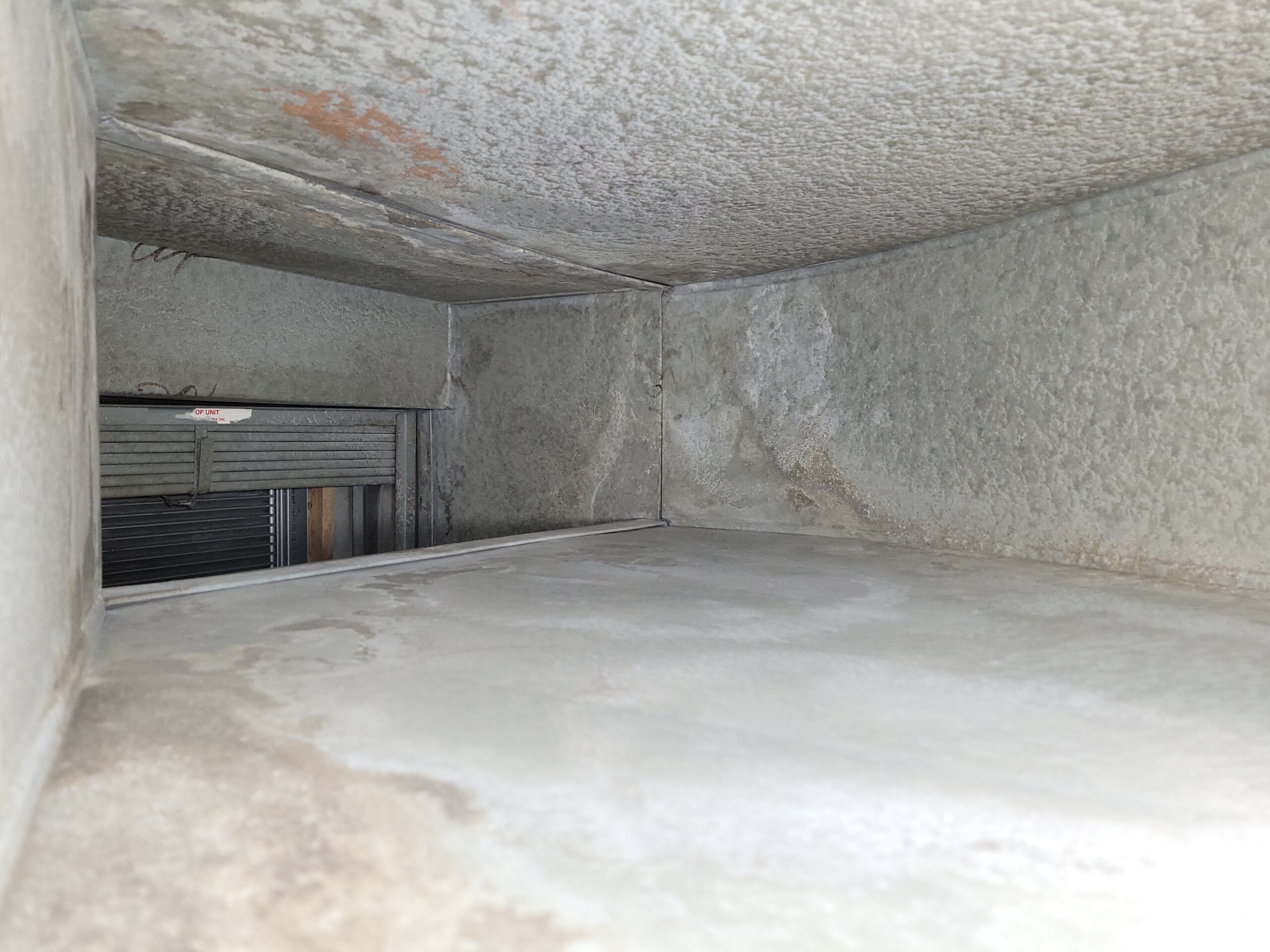
- Pre-inspection and documentation. A credible team opens access points, scopes with cameras, measures baseline static pressure, and samples deposits. They map system components, note fire and smoke dampers, and plan for temporary protection of sensitive areas. Containment and negative pressure. You want the dirt leaving the building through a HEPA-filtered collector, not visiting every workstation. Crews establish containment and keep sections of duct under negative pressure while they brush and air-wash. Mechanical agitation paired with vacuum. Rotating brushes for metal ducts, gentle air whips for fragile liners, and careful technique at turning vanes and transitions. Hand scraping where buildup is stubborn, not just blasting and hoping. Coil and drain pan cleaning. A full scope addresses the coil surfaces and drain pans. A verified clean coil protects against the same grime rolling right back into the airstream. Post-verification. Contractors measure static again, capture photos, and in tighter specs, collect particulate samples or apply visual cleanliness standards. You should walk away with a report, not just a bill.
That flow protects your equipment and your occupants. It also gives you data to compare against future readings. If a provider skips containment or verification, you are paying for theater.
How often to clean, and how to tell if you are due
There is no one-size calendar. I have seen buildings go five to seven years Extra resources without cleaning and stay within design margins because filtration and housekeeping were stellar. I have also seen restaurants need attention every 18 months because they serve an invisible side of aerosolized oil with every entrée. Anything that increases particulate load or includes dust-generating processes, from print shops to gyms under renovation, tends to shorten the interval.
Rules of thumb help, but measurements are better. Trend your total external static pressure, fan speed, and amp draw over time. If you are adding 0.1 to 0.2 inches of external static without an obvious cause such as a filter change to a higher MERV, you might be building a case. Spot-check coils with a flashlight and a small mirror. Use a borescope at a few access points. Look at complaints. A floor that started calling in hot or cold in year three might be telling you that airflow is lagging.
A quick field checklist can keep you honest and avoid cleaning for the sake of cleaning.
- Noticeable increase in fan speed or amp draw to hold the same airflow setpoint Visual dust accumulation inside trunks or at diffuser necks despite timely filter changes Evaporator coil fins matted or drain pans growing biofilm faster than normal Persistent hot or cold spots that appeared without a controls change or renovation Static pressure trending up by 0.1 to 0.3 inches of water column over a year
Use the list as a conversation starter with your service team, not a law handed down from on high. Context matters.
The case for ROI that is not just a utility bill
Owners often ask whether commercial duct cleaning pays for itself. The simple answer, occasionally yes on energy alone, often yes when you count avoided repairs and longer service intervals. If your maintenance log shows a rooftop unit swapping belts every three months because the fan keeps ramping up and eating them, that is hidden cost. If your compressor discharge temperature is living above 230 degrees Fahrenheit because condenser fins stay grimy, that is life expectancy melting away.
A defensible ROI model blends three buckets:
- Energy recovered from lower static and cleaner coils Maintenance avoided, from fewer belts and bearings to fewer nuisance lockouts Capital deferred, because the unit survives years longer before replacement
Even conservative estimates show value. Say you have five 20-ton packaged units. Cleaning ducts and coils drops fan power by 10 percent and cooling energy by 8 percent across a 2,000-hour cooling season. If each unit averaged 12 kW under cooling load, you might save 1 to 2 megawatt-hours per unit per season, plus the avoided belt and bearing replacements. Multiply that by five units and a power rate that probably makes you wince, and the math gets friendly. The bigger the system and the dirtier the baseline, the larger the return.
When cleaning is the wrong move, or the wrong time
Wit does not extend equipment life. Good judgment does. There are moments when duct cleaning is the wrong prescription.
Fragile duct liners. Older ducts with friable internal liners can shed fibers if you go at them aggressively. A qualified crew will test and change techniques or recommend liner repair before cleaning.
Leaky ducts. If your ductwork leaks like a flute, cleaning might improve airflow marginally, but the big win lies in sealing first. Otherwise you clean today and re-entrain dust tomorrow through every crack upstream of filters.
Active construction dust. If you are mid-renovation and trades are still cutting drywall, your beautifully cleaned ducts will be gray again in a week. Sequence work so cleaning comes after the dust settles, literally.
Unsafe contaminants. If sampling suggests mold, lead, or other hazardous material, you do not want a generic brushing job. You want a plan that meets environmental health requirements, with proper containment and disposal.
Most of these are solvable with a walk-through and honest scope. The point is to preserve your system, not just polish its conscience.
What makes a provider worth your time
Ask any two contractors about duct cleaning, and you will hear two strategies, three brand names, and four price points. The good ones share habits.
They measure before and after. Static pressure, fan speed or brake horsepower, coil pressure drops. Pictures are good. Readings are better.
They work clean. HEPA filtration on collectors, sealed access panels after work, careful handling of fire and smoke dampers. You do not want a crew that leaves access doors rattling or fails an inspection because of a forgotten damper pin.
They pair duct cleaning with coil hygiene. A duct cleaning that leaves a fur coat on your evaporator is half a job. When possible, include coil cleaning and drain line clearing.
They provide an auditable report. An email with three sentences is not a report. You want a summary of what they did, where, what they found, and what changed.
They talk filtration and housekeeping. Cleaning ducts while leaving low-grade filters with poor seals is like brushing your teeth while chewing caramels. The provider should address the downstream practices that keep ducts clean longer.
Pairing filtration and housekeeping to protect your investment
Duct cleaning is not a lifestyle. It is a reset. To avoid frequent resets, you need systems upstream.
Filtration. Choose filters that match your equipment’s static allowance and your building’s needs. Many commercial systems run well with MERV 8 to 13 filters, but the jump from 8 to 13 can add pressure drop that your fan cannot afford. If you increase MERV, measure the change and consider a deeper filter bank to reduce face velocity. Seal filter edges. A quarter-inch bypass defeats the point.
Housekeeping. Janitorial practices matter. If return grilles sit near areas that shed fibers, address that. If a tenant runs a dusty process, coordinate. Sometimes adding a pre-filter in a problem zone pays back quickly.
Outside air. If your intake sits next to a loading dock, you may be feeding soot to your coils. Relocate or extend the intake, or accept that cleaning intervals will be shorter.
Maintenance rhythm. Check coils every quarter. Trend static pressure continuously if you have the sensors. Swap filters on differential pressure, not just a calendar.
Real buildings, real gains
A multistory office I serviced had chronic humidity complaints on the south side and a chiller that seemed too small once June arrived. BAS trends showed the air handling units running at maximum VFD speed by 10 a.m. And staying pinned until 6 p.m. Filters were changed quarterly, but the return plenums were dusty, and coil fins looked like a felt board. We performed commercial duct cleaning on the worst risers and air-washed the coils. Post-work, the same airflow held at a fan speed 12 percent lower. Chiller load profile eased in the afternoon, compressors cycled less, and humidity control stabilized without resorting to reheat games. Two summers later, the plant still had breathing room on days that used to suffocate it.
A retail store chain used a different lever. Their procurement team wanted to extend unit life to push a replacement wave from year 12 to year 16. They had been swapping three to five compressors a year across a regional portfolio, often in stores with visibly grim diffusers and lint in the returns. After a pilot where they performed duct and coil cleaning, tightened filter seals, and tweaked housekeeping, compressor failures in those stores dropped by half the next two years. The capital plan moved, and not because the budget fairy visited.
The one time a list of steps makes sense
If you want to hand a facilities manager a simple sequence for planning, this is the lean version I keep in my notebook.
- Inspect and measure. Baseline static pressure, motor amps, fan speeds, coil condition, and a few borescope photos Fix what would invalidate cleaning. Seal major duct leaks and address fragile liners Schedule cleaning with coil restoration, at the right point in your renovation or maintenance cycle Verify and document. Capture before and after readings and photos, and close access points properly Adjust filtration and maintenance. Use your new baseline to set smarter filter changes and cleaning intervals
Each step looks dull until you skip it. Then it becomes exciting in the wrong way.
Myths worth retiring
If ducts are closed, they stay clean. Not in the real world. Return leaks, imperfect filters, and human activity feed ducts constantly. Even well-sealed systems accumulate dust over years.
Cleaning always saves energy. Often, but not universally. If your ducts are already clean and coils are pristine, you will not find a 15 percent miracle. The value lies in prevention as much as recovery.
You can do it with a shop vac. You can also carve a turkey with a spoon. Possible, not recommended. Commercial systems need negative pressure containment and the right tools to avoid redistributing dust or damaging liners.
Once cleaned, you are set for a decade. Maybe, if your building is a museum with perfect filtration and zero renovations. Most busy buildings benefit from periodic verification and occasional touch-ups.
The maintenance culture that makes equipment live longer
Longevity is never one act. It is a culture. I have walked into plants where operators could tell you last quarter’s static pressure trend and show you a binder of coil delta-P readings. Their equipment hums along like content cats. I have also stepped into mechanical rooms where the logbook doubles as a coaster, belts glaze monthly, and the word baseline means last summer’s utility bill. Guess which site replaces more motors.
Commercial duct cleaning, done well and timed intelligently, fits into that broader culture. It peels away a layer of invisible resistance the same way lubrication eases bearings or water treatment extends boiler life. It does not replace sound design or proper controls. It unlocks them, letting the system perform as intended.
If you want your HVAC gear to live the long, unexciting life of a well-kept machine, give air a clean path. Keep friction low, temperatures reasonable, and feedback accurate. Your fans will loaf instead of labor. Your coils will exchange heat rather than wear sweaters. Your compressors will work, not wage war. And the next time someone swears the system is undersized, check the ducts first. They might just be full.
Advanced Environmental Services Inc.
341 Stanley St, Winnipeg, MB R3A 1S7
+12042846390